Training
Looking Ahead: How to Create and Execute Your Racing & Competition Strategy
Having a season mapped out is one thing. Executing on the day – pacing, race-day logistics, a plan for the low points and smart course management – is a different skill.
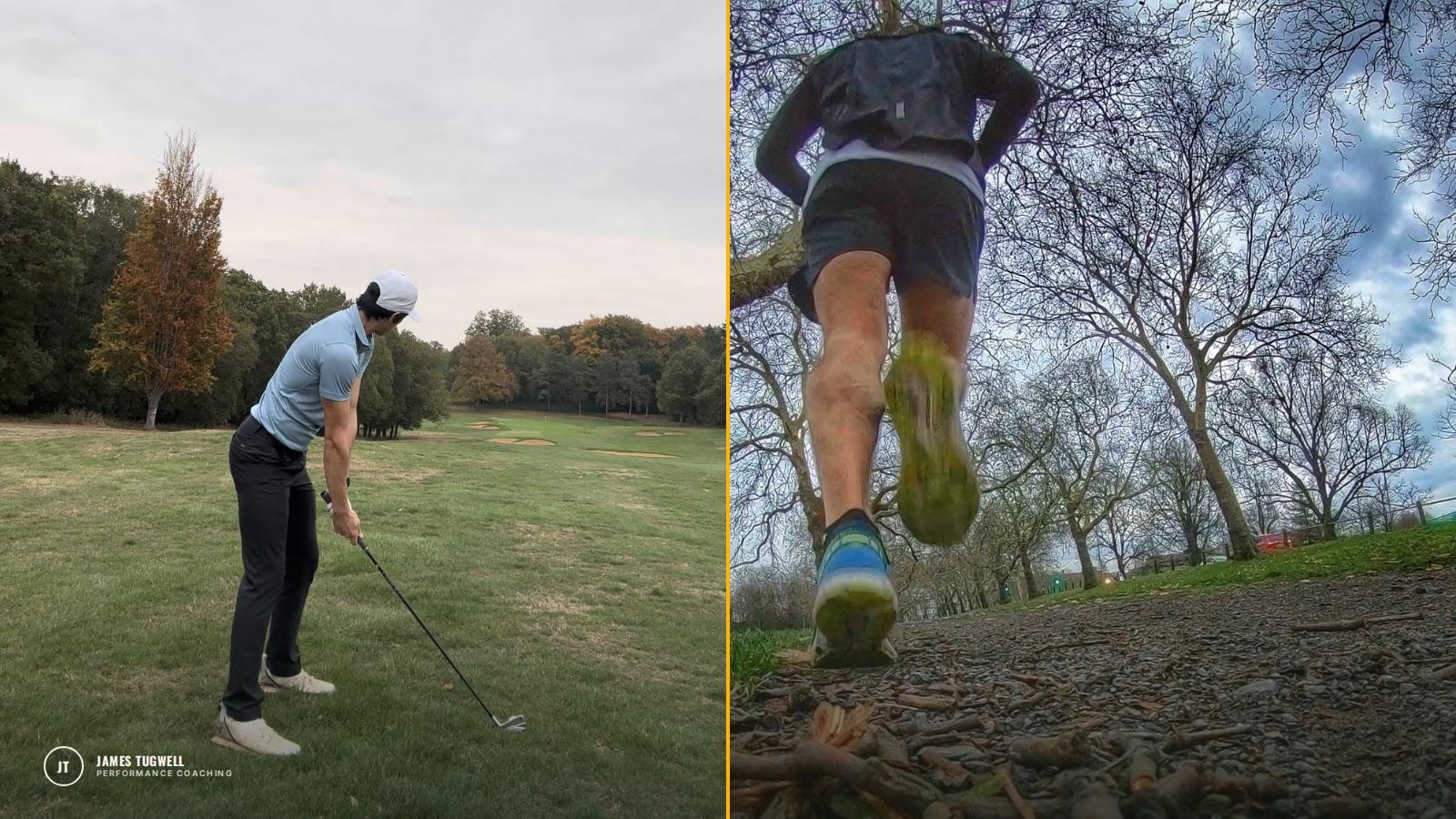
- Golf
- Endurance
James Tugwell · Level 4 Personal Trainer, TPI Certified
4 min read
Having a season mapped out is one thing. Knowing how to execute on the day – whether that’s a race or a competitive round – is a different skill, and it’s one that gets far less attention than training itself.
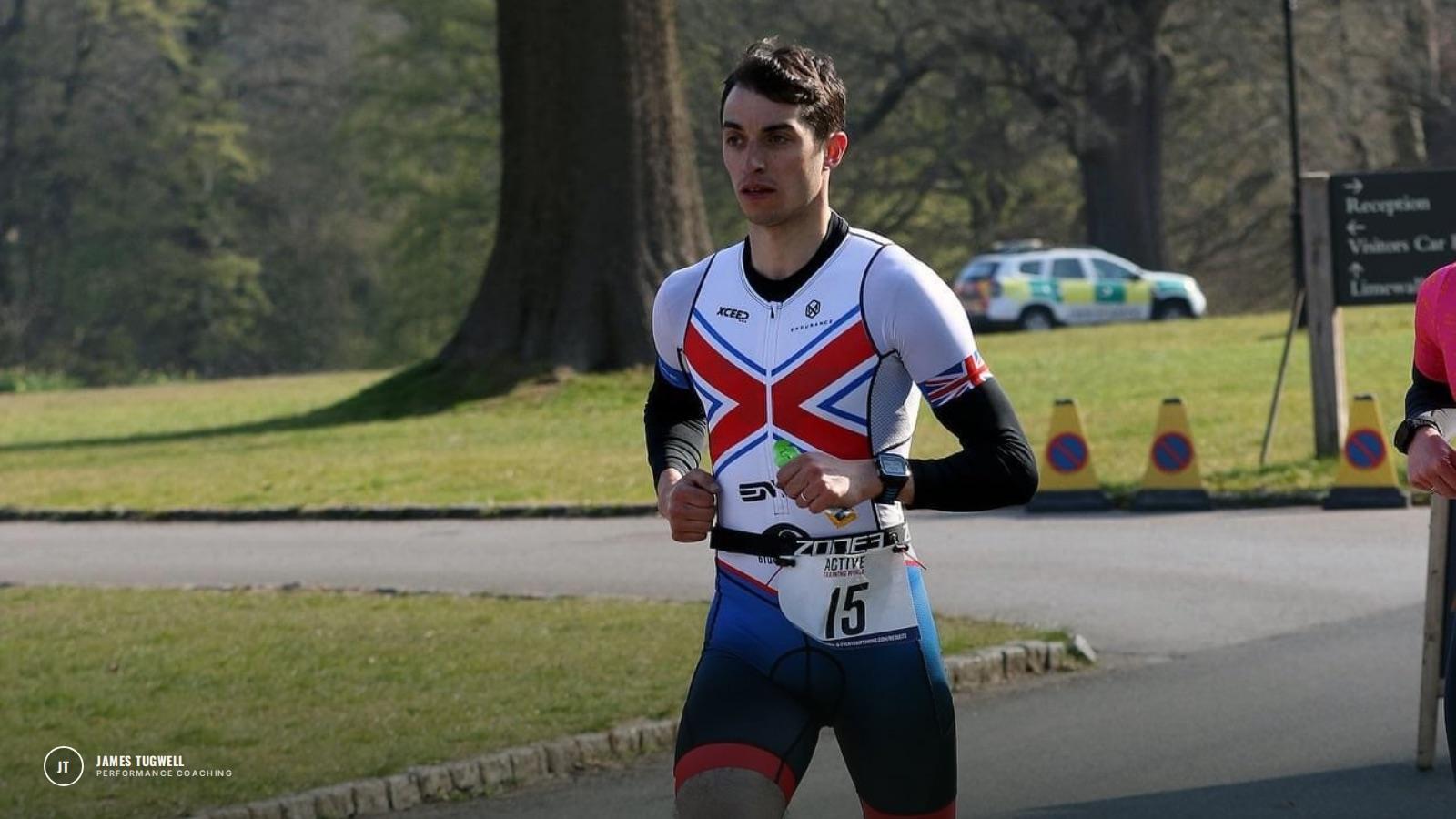
Pacing strategy for endurance events. The single most common amateur mistake is going out too fast – adrenaline and a fresh feeling make the first few minutes feel deceptively easy. As a concrete example, if your target marathon pace is, say, 8 minutes per mile, going out at 7:40 pace for the first few miles because it feels comfortable is one of the most reliable ways to add significant time to your final result once fatigue compounds in the second half. Even, controlled pacing, or a deliberate negative split where the second half is faster than the first, consistently outperform an aggressive start followed by a fade. A deliberate 1–2% negative split is a pattern that shows up repeatedly among strong amateur performances, and it starts with resisting exactly that early temptation to go out too fast.
Pacing strategy for endurance events
Endurance
Even Pacing Wins
Going out too fast is the single most common mistake – adrenaline makes the first few minutes feel deceptively easy. Even, controlled pacing, or a deliberate 1–2% negative split, consistently beats an aggressive start that fades once fatigue compounds.
Race-day logistics. Nutrition and hydration planned and practised in training, not improvised on the day – race day is never the time to try something new. This extends to smaller details too – knowing exactly what aid stations will offer and whether it matches what your gut is used to, having a backup nutrition plan if something doesn’t sit right, and knowing your goal splits well enough that you’re not doing pace-conversion maths mid-race when you’re already fatigued and thinking clearly is harder than it sounds. Kit checked and laid out the night before (and not including something from the event’s expo), removing decisions from a morning that’s already going to have enough of them. A realistic warm-up that matches what the event actually demands, rather than either skipping it or overdoing it and burning energy you’ll need later.
Mental strategy for long events. Breaking a long race into smaller, manageable segments rather than thinking about the whole distance at once – the next aid station, the next mile marker, the next turn, rather than a finish line sitting miles away. Having a plan for the low points that almost always arrive somewhere in the middle-end, and athletes who’ve thought about that in advance handle it far better than those caught off guard by it. One specific technique worth practising in training, not just knowing about: pre-deciding your response to a bad patch before it happens. Deciding in advance that if things go wrong around the two-thirds mark, the plan is to focus on form, take on fuel, and reassess in ten minutes, rather than making that decision for the first time while already struggling, takes a genuinely difficult moment and gives it a script to follow instead of a blank page.
The golf equivalent: course management. Golf doesn’t have pacing in the same sense, but it has its own version of strategy – shot and club selection that favours consistency over occasional brilliance, a pre-round routine that’s practised and repeatable rather than reinvented on the first tee, and a clear plan for how to respond to a bad hole rather than letting it spiral into two or three more. A concrete example: facing a tight fairway with trouble on both sides, the shot selection that favours consistency is often a controlled iron down the middle rather than a driver that brings a low-probability disaster into play for a small potential gain in distance. Over 18 holes, the golfer who consistently chooses the shot with the best realistic outcome, rather than the shot with the best possible outcome, tends to post the better score, even without hitting a single spectacular shot all day.
The golf equivalent: course management
Golf
Consistency Beats Brilliance
Shot and club selection that favours consistency over occasional brilliance. Facing a tight fairway, a controlled iron down the middle beats a driver that brings disaster into play for a small potential gain in distance.
A useful practical exercise: run through an entire event-morning routine – wake time, breakfast, warm-up, kit – during a significant training session a few weeks before the event, treating it as a genuine dress rehearsal rather than leaving the first live test of that routine for race day itself.
None of this – pacing discipline, nutrition planning, mental scripts, course management – works well if it’s only thought about for the first time on the day itself. Race and competition strategy, like any other skill, needs practising in lower-stakes training sessions and club rounds first, so it’s genuinely available under pressure rather than something you’re improvising when it matters most.
That’s the last of the “looking ahead” pair. A few more practical pieces – recovery, winter adjustments, and mobility – round out this run before the blog and Instagram settle into a steady weekly rhythm from late November: same two audiences, same practical focus, just a bit more predictable from here.