Training
How to Adjust Training as We Move Into Winter
The nights are drawing in and the daylight window to train is shrinking. Practical adjustments for golfers and endurance athletes, how to avoid the winter drop-off, and the kit that helps.
- Golf
- Endurance
James Tugwell · Level 4 Personal Trainer, TPI Certified
5 min read

The nights are drawing in, temperatures are dropping, and for anyone training around a typical daytime job, the daylight window to train outside is shrinking fast.
Practical adjustments that actually help. Shift outdoor endurance sessions to lunchtime (if possible) or weekend daylight where you can, rather than defaulting to darkness on weekday mornings or evenings. Use indoor training – a turbo trainer, a treadmill – strategically as part of the plan rather than reluctantly as a last resort (these have the benefit of being highly efficient, and often safer too). If training outside, make sure you layer properly rather than overdressing and overheating. And extend your warm-up in cold weather; a 10–15 minute extended warm-up isn’t excessive – it’s proportionate to genuinely colder muscle and joint temperatures, and the marginal time cost is trivial compared to the injury risk of skipping it, particularly for golfers, where a rushed warm-up into a full-speed swing is a genuine injury risk.
Training as the nights draw in
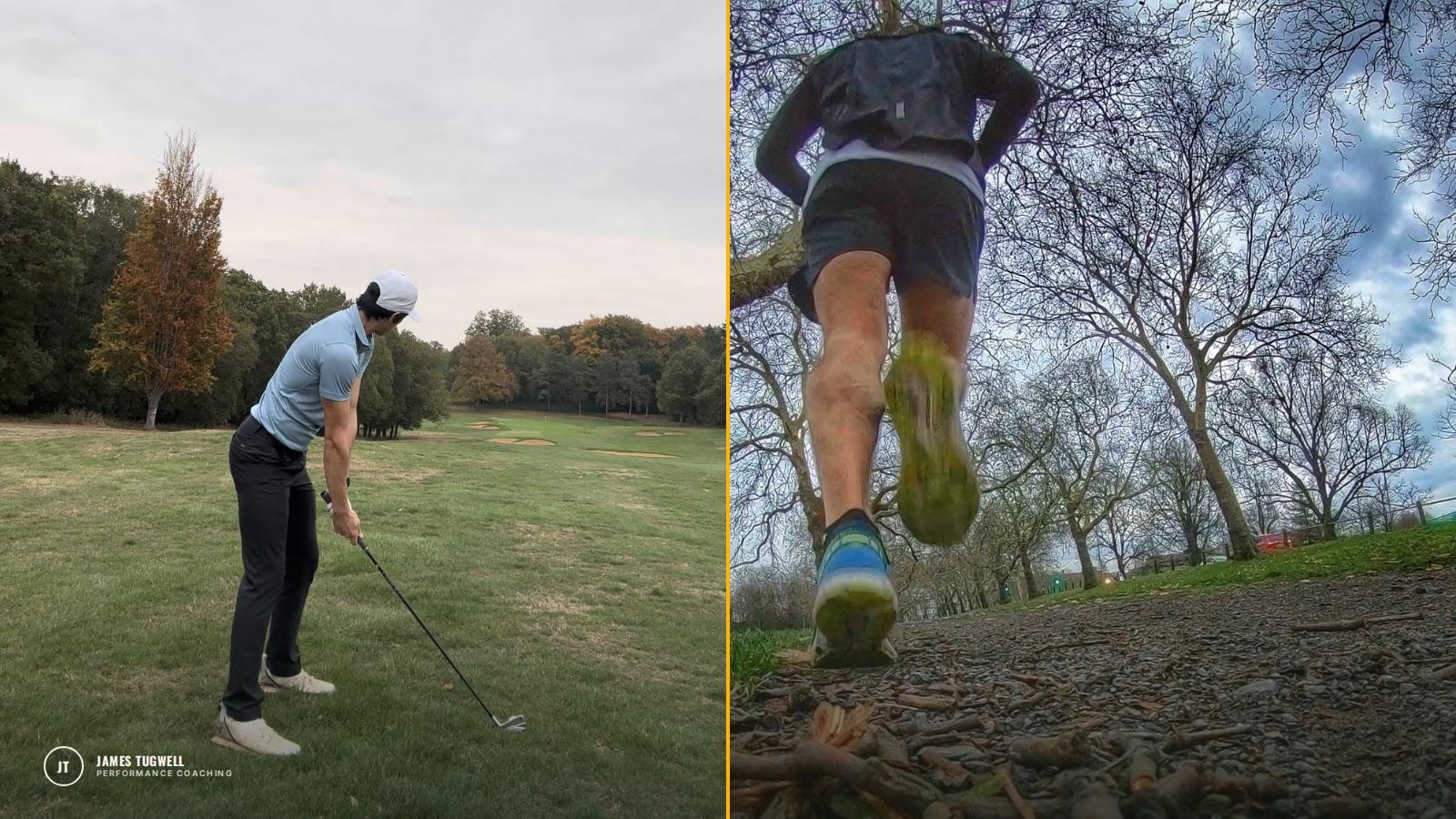
Golfers
Cold-Weather Warm-Ups
A longer, more deliberate warm-up protects you when muscles and joints start cold.
Endurance
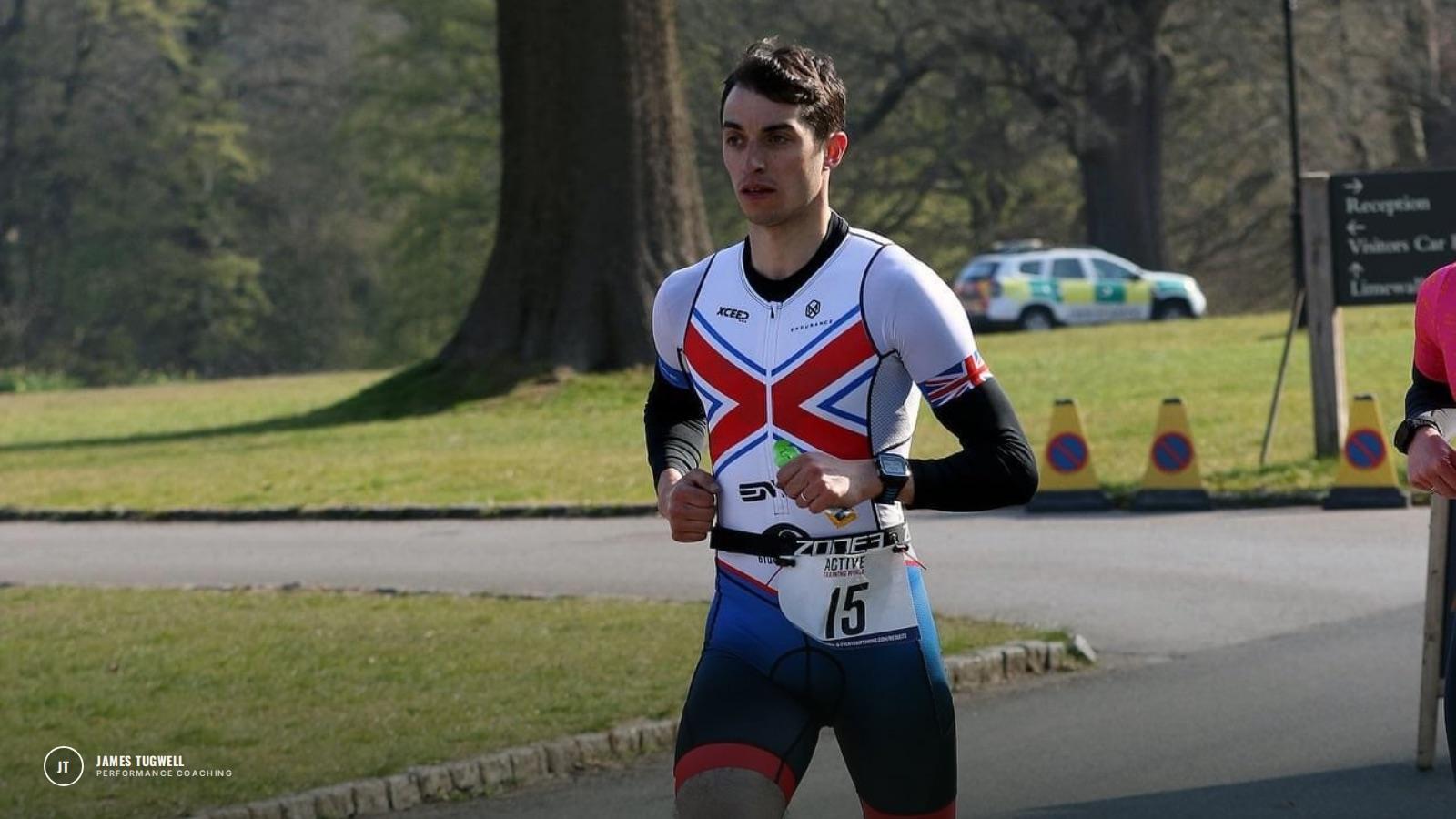
Protecting The Long Session
Layering, visibility and route choice keep the key long session happening through winter.
There’s a mental side to this too that’s worth naming directly. Motivation naturally dips through the darkest months for almost everyone – it’s not a personal failing, it’s a predictable seasonal pattern. The people who stay consistent through winter aren’t relying on motivation showing up; they’re relying on the routine and preparation covered in earlier posts to carry them through the weeks where motivation doesn’t show up on its own.
For golfers, most of you are already stepping back from the course this time of year, so this is less about outdoor adjustments and more about protecting the consistency of your strength training and any indoor short-game work through the darker months. If you are still playing through winter, expect and plan for a longer pre-round warm-up than you’d use in summer – cold conditions genuinely change how your body needs to prepare, and a five-minute summer warm-up simply isn’t adequate once temperatures drop.
For endurance athletes, reduced daylight most often disrupts the long run or long ride specifically. The practical fix: protect your weekend long session in daylight hours, and let weekday sessions be shorter and, where useful, indoor. If the long session has to move indoors occasionally because daylight or weather genuinely doesn’t allow it, that’s a reasonable trade rather than a failure – protecting the session’s purpose matters more than protecting exactly where it happens.
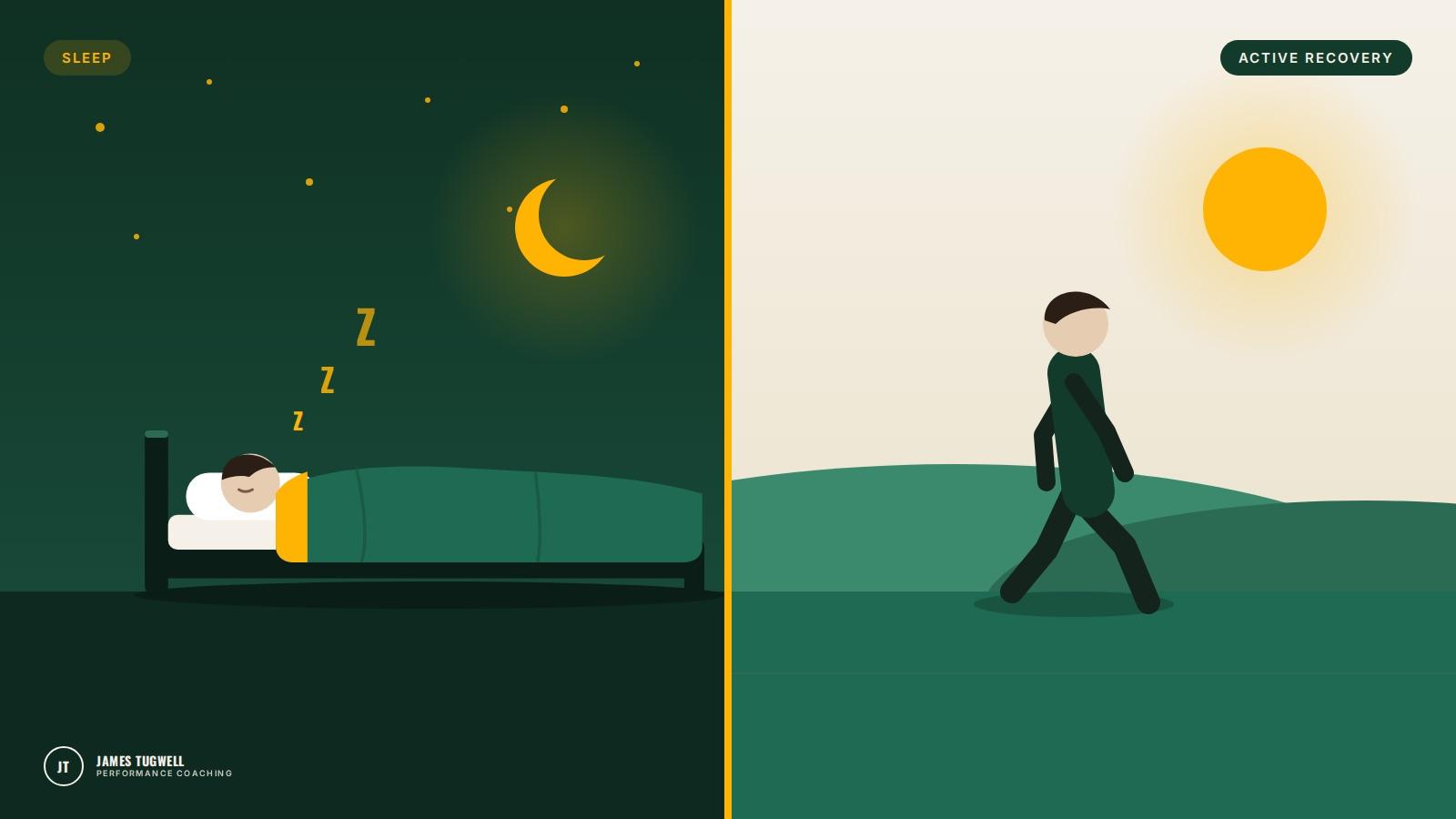
The real risk isn’t the cold – it’s the drop-off. Darker mornings and evenings are where most people’s training consistency quietly falls apart. A single missed week in November rarely matters on its own; three or four missed weeks in a row, drifting into December, is where a winter’s worth of progress quietly disappears. Preparing properly and having a plan matters even more here than it does in summer, when good weather papers over a lot of small gaps in planning. Simple accountability measures – a training partner, a standing session in the diary, telling someone else your plan, making sure kit is all laid out the night before – do more to bridge the motivation gap than willpower alone ever will.
The real risk isn’t the cold – it’s the drop-off
A missed week rarely matters. Three or four in a row, drifting into December, is where a winter’s progress disappears.
- A training partner or a standing session in the diary
- Telling someone else your plan
- Kit laid out the night before
- Routine and preparation carry you through – not motivation
One thing that catches people out: hydration needs don’t disappear in winter just because you’re sweating less and feeling less thirsty. Cold-weather training still depletes fluids, particularly on longer sessions, and under-hydrating in winter is a common, easily avoidable cause of below-par sessions that gets blamed on “just being unfit” instead.
A few things that make winter training genuinely easier, without being precious about brands. For running and cycling: a decent moisture-wicking base layer keeps sweat from sitting cold against your skin once you slow down or stop; a windproof outer layer handles most UK winter conditions better than a thick, warm jacket that has you overheating within ten minutes; gloves and a buff or neck warmer protect the extremities that lose heat fastest; and a head torch with a reflective element isn’t optional once most weekday sessions happen in the dark. For golf: a waterproof outer layer that doesn’t restrict your swing, a thermal base or mid-layer you can remove as you warm up, and a winter glove on the lead hand at minimum – grip and feel matter more in golf than in most sports, so cheap gloves are a false economy.
A few things that make winter training easier
Endurance
Running & Cycling Kit
- Moisture-wicking base layer
- Windproof outer – not a thick, overheating jacket
- Gloves and a buff or neck warmer
- Head torch with a reflective element
Golf
Golf Kit
- Waterproof outer that doesn’t restrict your swing
- A removable thermal base or mid-layer
- A winter glove on the lead hand, at minimum
Fixing session times in your diary and having kit laid out the night before does more for winter consistency than any piece of gear on this list – but the right gear removes one more excuse when the morning’s motivation is already thin. Feel free to reach out if you want to take a look at exactly what I use to keep going through winter.